

The Zambian-Canadian rapper and producer’s latest release marks a new beginning.
By: Sun Noor
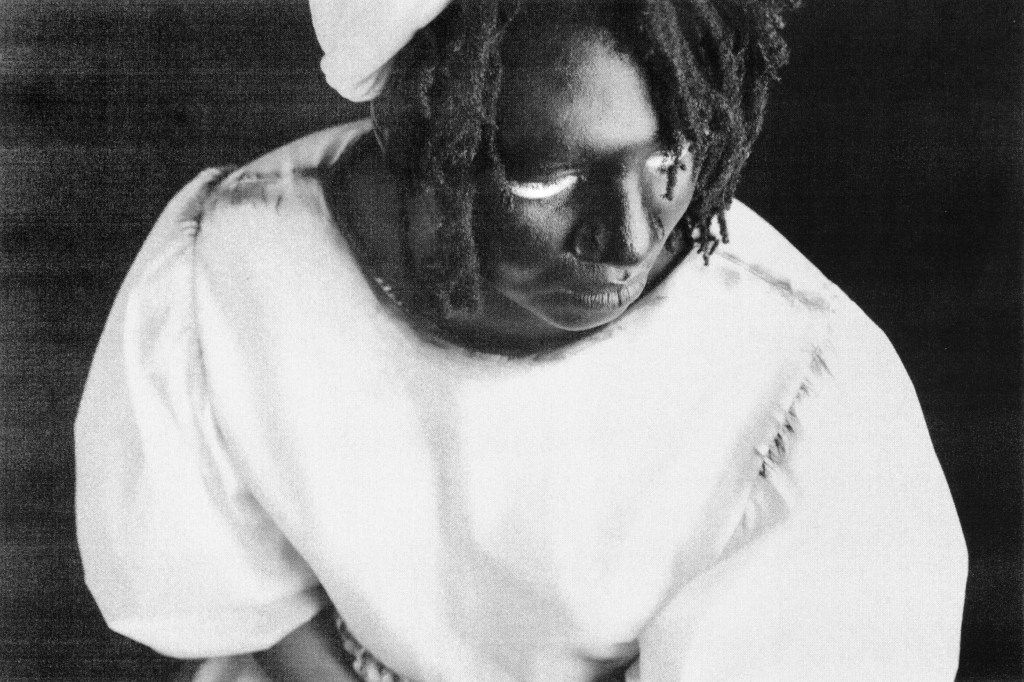
Only Dust Remains marks a new chapter for Backxwash. The follow up to Zambian-Canadian rapper and producer Ashanti Mutinta’s acclaimed album trilogy, which includes her 2020 Polaris Music Prize-winning album, God Has Nothing To Do With This Leave Him Out Of It, is a contemplative and masterful body of work. She has crafted a softer and more melodic soundscape, which naturally places her vocals to the forefront, amplifying her raw and poetic lyrics. Backwash attempts to heal old wounds with an honest collection of songs that recount her experiences, touching on themes of religious trauma, life, death, faith and identity. Her refusal to hold back on her emotions and hopeful outlook makes for a cathartic yet gripping listen. I caught up with the rapper ahead of the album’s release to for an in-depth conversation.
Congratulations on putting together another incredible body of work. How are you feeling about release it to the world?
“Alright. I guess I’m kind of nervous as to what the listeners feel with the new sound because they’re used to like the metal and stuff like that. This one is just like, less of that. But it is good to finally release it because it’s the first time our schedule has been so planned. Before I was like, ‘Oh, this is done. Let’s drop it like next week on a Tuesday,’ you know, like that. But now, we gotta wait a bit, promote it a bit and do it the right way. So it’s the first time where I’ve been like, just chilling waiting for the release date to be out.”
You closed out your previous album trilogy on a hopeful note. Did you initially intend on revisiting some of your previous themes and writing another personal record?
“That was the only thing that I could write about. It was kind of like telling me that I wasn’t really done with the topic, because I have touched on it, but I haven’t been that existential. Everything that I was making just flowed really well into this topic of battling between life and death and having essentially this existential crisis throughout the making of this record. I think it’s just what the lyrics were like calling me to talk about because I’ve never been this detailed about it before. I feel like this is a good closing point.”
Take us through your process of writing this record.
“So when I did the last three three albums, I used to write my verses the day before, or like the day of, or like two days before, because it was all about the feeling within the moment. I didn’t want to lose that feeling. But for this one, I wanted to be more deliberate, so I was writing like four bars a day because I didn’t want to get off topic. I wanted everything to flow as smoothly as it can be. I would write like four bars a day, and I’d be like, ‘alright, I’m good with this. I’ll leave it here.’ It’ll just continue like that. I think the writing process has changed a lot because now I just want to be more deliberate, rather than just feel whatever I’m feeling in that, in that time.”
In being deliberate, does anything ever, like, hold you back?
“Being deliberate means I think hard about shit. So there’s lines I wouldn’t put in there, when before it was just like, This is what you’re feeling right. Now you’re going to put this fucking line in there. I gotta think, ‘do I really want to say this? Has this already been said before?’ So I think being deliberate is a positive. There’s also some negatives in not being deliberate. A jazz pianist who has made the craziest thing about improvising, and then when they go to compose, they start thinking if that chord really works in that section. So yeah, it’s good if it’s positive.”
I feel like there are various voices on the album. There’s like a voice that’s more pessimistic one that’s self-reflective and another that’s hopeful. Why did you feel the need to have them all intertwined on the record?
“The topic of death — you go through like, certain highs and lows. I go into the different voices throughout the whole process. I just thought it made a lot of sense to me to just revel in it all. I think on the last track there’s just like one voice speaking, which kind of brings it all together. But yeah, having the three perspectives I think is realistic to the to the feeling.”
Why is it important to have that positive outlook shine through your work?
“It just naturally comes out. I think it’s it’s almost like my brain telling me, ‘alright, it might feel bleak here, but that’s a reminder that you know, shit wasn’t as bad as it was years ago.’ I think it’s nice to have that perspective as well because when I’m listening like dark albums, when he gets too dark, sometimes I’m just like, ‘God damn,’. So it’s nice to have a little hope there. It opens the door to so many interpretations of the art. Is it inevitable? Or is the hope there because is this something worth fighting for? And I feel like those two dualities are kind of important to express as well.”
Do you have any tracks that almost didn’t make the cut?
“Stairway to Heaven” and “History of Violence.”
“History of Violence” had this little loop. I was making a beat around this little loop. Hearing the melodies, I was just like, ‘I don’t know about this.’ Then I listened Kendrick’s “The Heart Part 5,” where he’s shifting into the different characters. I just felt like, ‘Yo, I just want to rap like, no hook, no nothing. Just rap.’ Then I started writing the verse so I expanded on this little beat idea that I had. It was supposed to end right when the first verse finishes. I isolated the strings and decided to add in more layers toward the end and it just became this thing. The more that I listened, the more that I really liked it.”
“Stairway to Heaven” felt like something from previous albums, but not really. I think I was just thinking that because it has a guitar on it because it sounds like Pink Floyd. I had this other section that was built out on the second verse with drums and violins. It was more gloomy, but I didn’t really like the connection. Then I removed everything out, and just left the guitars, piano and Ora’s (Cogan) part. I was like, ‘Okay, this sounds definitely much better than the idea that I had before’. I had one other song that didn’t make the cut. It was the original “Stairway To Heaven” but the sample was kind of annoying so I just left it out.”
You’re no stranger to weaving in religious imagery and terms into your lyrics. How has reframing those terms and teachings informed your writing?
“Yeah, they’ve been a source of inspiration. I think a lot of horror in the lyrics comes from, just like my experience growing up, like very Christian and religious. Throughout the album, I’m haunted by Angel Gabriel and I think that was just a reminder of when I was growing up. I was haunted by the teachers themselves, I have this vivid memory of when I was learning religious education in the third grade, and I came across this verse that says, ‘Oh, God is like a vengeful God’. I don’t remember if it’s jealous God or a vengeful God. I was 12 years old, and was deep into this. I started looking back on anything bad that I ever did. I asked the teacher, ‘if it’s vengeful, what would happen? Would it kill me if I ever sin?’ He told me, ‘yes.’ So I went home scared out of my mind. I couldn’t sleep because I thought I was going to be smited in the night.”
“It’s just the horror of living up to the code and not feeling as if you’re good enough to live up to the code. I think that offers a source of just horror and bleakness in the lyrics as well, which others find interesting because you’d usually see the opposite, as in, angels are hopeful. But I think for me, they offer like a source of horror.”
Sonically, this record in some ways sounds more subdued compared to your previous work. Your vocals are prominent and hold so much emotion, was that choice intentional?
“I guess my previous records weren’t as melodic as this one. I didn’t want to make the same stuff sonic wise that I was over the past three albums. I wanted to be more melodic in my approach. My palette of just like samples changed for examples like “Undesirable,” I don’t think I would have ever rapped on something like that three two albums ago. The choice of the samples helped me a lot with just putting the sonics together, and going in and writing the verses is like, ‘oh, you can be that loud now you kind of have to, in some part have to think about how you’re going to, say this.’ I was watching an interview with Tyler, The Creator, where he’s talking about making Flower Bomb, and he had to go back and kind of like redefine how he’s going to jump on some of these records. So, it was driven by the beat but as well, the beat kind of like dictated how I approached it.”
Are you someone who works on the arrangements first? Or do you write first?
“This time it was the arrangements first. So for me, I know a beat is done if I start arranging it. I think this is my album with the most like rhythm sections. It’s the one with the most changes in the instrumental. Those came about, because I’ll be writing something, then I’ll have an idea. I’ve got a verse, and I want it to change like this in the second verse. So it was usually a process of the beat. An arrangement is made for the first verse or so. Then I start writing the verse, or maybe the hook, and then I go back and kind of change the arrangement based on the lyrics that I’ve written.”
Was there anything that you were listening to when you were working on the production for this record that kind of helped guide you?
“There were two, two things I was mostly listening to: I was really like, inspired by Bjork and I listened to a lot of 2000s pop. I think it was because of Darkchild and Pharrell that 2000s pop had really amazing string sections. It sounded like, so lush. I was listening to Jessica Simpson’s Irresistible and was like, this string section is hard for no reason at all. It’s got changes and bridges and I just like how dynamic those beats were. Concentrating on textures and sound kind of made me miss writing melodies. When I was growing up making beats that would be my one thing, my drums are all this terrible, but my melodies, I really like them. So it’s making this one (the album) kind of brought all that back.”
The closing track features contributions from pet wife, Fernie, Magella, and Morgan-Paige, how did this collaboration come about?
“Only Dust Remains” had this sample that I couldn’t clear because the the musicians, like, took it out from the service I was using. So I was like, ‘let me see if I can make like, something similar’. The beat was coming along, I had a verse written. It was really short. Then, pet wife laid down her stuff, and then she had that, that last part in there. I was like, ‘Oh, just keep it going. What would be dope here is if we can get, like, a choir.’”
“Magella knew a choir that we could hire, but I think the person with the choir was super busy. I was like ‘I have the best singers in the world right now. If Magella, Fernie and Morgan Paige could just send me three choir voices, and I stack them on top of each other, it might sound dope.’ It just came together and the craziest part was, I never realized that the clapping sounded like they were all in the same room. One of the instructions was ‘sing this while clapping.’ So when you put it all together, it sounds like they’re in the same room.
What do you want your listeners to take away from this album?
“I hope they take in the different sonics and give it time to like cook and just go in there with the open mind. I hope they like it.”
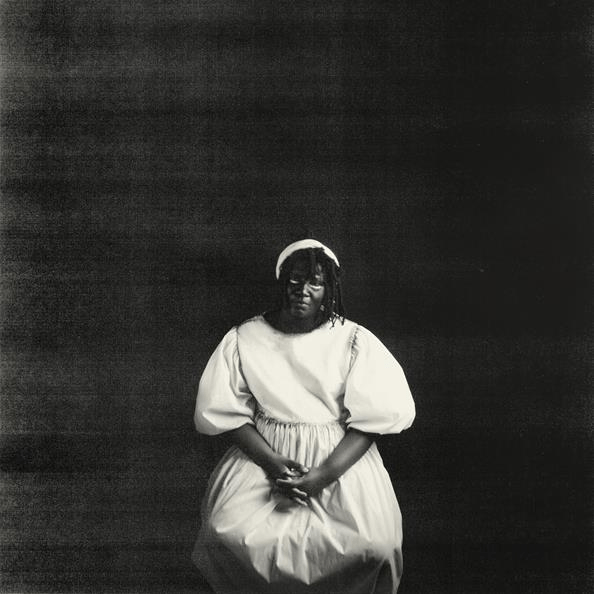
Only Dust Remains is now available on all streaming platforms.
Backxwash is set to perform a special hometown album release show in Montreal on April 18th. She’ll also mapped out a few festival shows in Vancouver and in the UK this summer. Check out the full details here.


 FOR THE RECORD