
The Long Beach rapper’s sixth studio album is a subtle yet gripping release.
By: Sun Noor
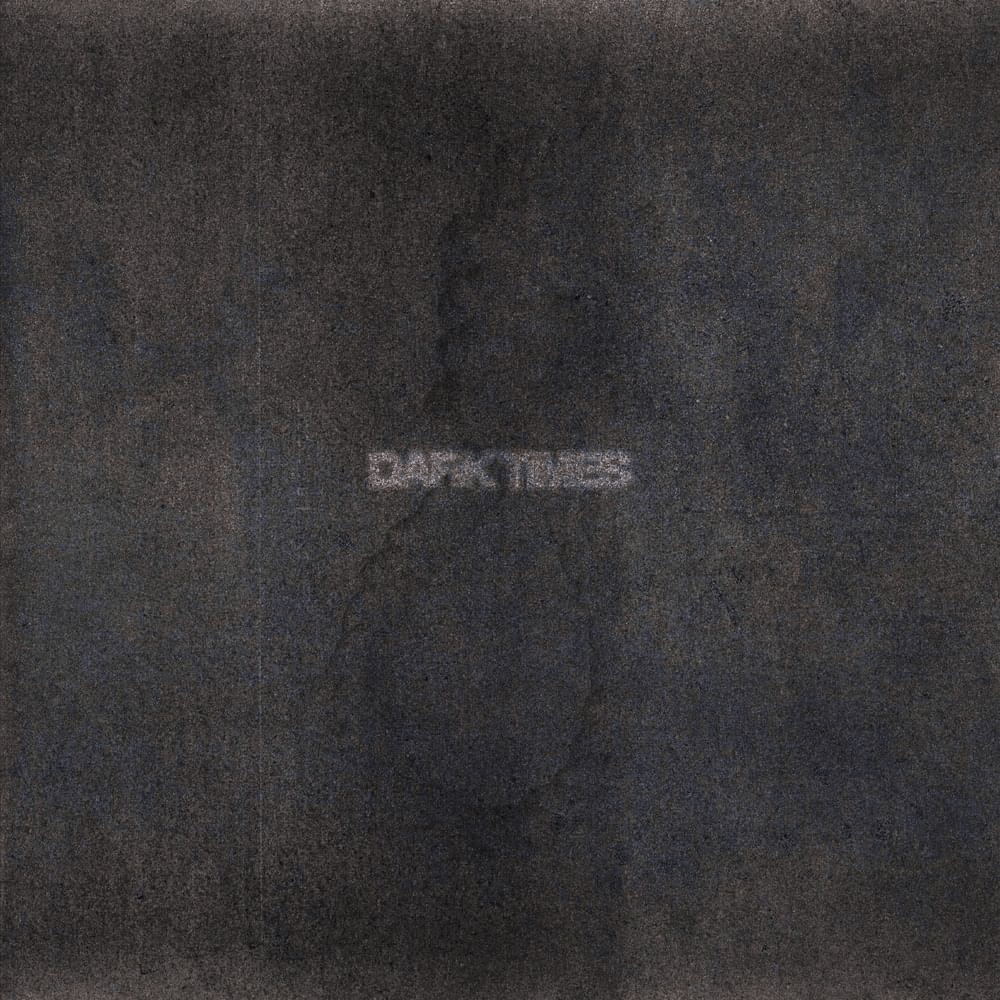
Authenticity has always been the driving force behind Vince Staples’ creative outlook. The rapper’s most recent albums present a turning point within his artistry and his latest entry, Dark Times, presents another ultra-vivid, messy yet contemplative body of work rooted in honesty and vulnerability.
A constant that exists within the Long-Beach rapper’s work whether through his pen or projects on the small screen is his ability to make light of the difficult parts of his life, is almost like an intrinsic trait. There’s a certain familiarity with his work. From recognizable motifs such as neighbourhoods, street signs and references that are integral to his upbringing. Long-time listeners know that with Vince Staples, there’s no facade. In a recent Rolling Stone interview, he mentioned “If I’m speaking about my life, I want to make sure that I’m retracing my steps and knowing where I came from in a certain regard,” remaining committed to honouring his past, despite hardship.
Dark Times picks up where Staples left off on 2022’s Ramona Park Broke My Heart, offering perspective from the present moment while continuing to pay homage to his roots and community at large. From the trials and tribulations of everyday life to dealing with survivor’s guilt as someone who’s “made it” as a product of a challenging environment, the rapper refuses to hold anything back. “Who can I call when I need help?/Juggling thuggin’, depression, and pride,” he raps on the soulful “Black&Blue” examining his bruises. He adds, “I spend a lot of my time missing our kinfolk, put ‘em inside of a rhyme hoping they live on,” reflecting on heartbreak and loss.
Overcoming trauma remains a constant struggle and acceptance remains a hard pill to swallow. Underneath the layers of past trauma exists a willingness to express vulnerability for the rapper. Instead of using this record as an opportunity to close that chapter of his life for good, Staples takes the time to process everything, peeling back the layers of pent up sadness and anger as a way to make sense of it all.
“Government Cheese” marks a devastating moment on the album as he addresses mourning the death of his brother while also grappling with the loneliness that comes with survivor’s guilt. Staples shines a light on a conversation with an incarcerated friend, “Asked how I was, said he seen me on ABC, told him that I was good, wonder if he believed. Couldn’t tell him the truth, what kind of homie would I be?” Suppressing emotion as a trauma response even though he truly feels as though he’s “just another day closer to (his) demise.” Above everything, Staples remains adamant on pushing through, repeating “don’t forget to smile, don’t you lose your inner child.”
On “Étouffée” the rapper substitutes the sound of nature and birds chirping spread throughout the album with gunshots, as he observes the past. “Shed so many tears, lost a hundred friends,” looking back at all of the odds he beat out while also showing nothing but pride for his upbringing and “finding beauty in the darkness.”
Relationship troubles appear to be another topic that takes centre stage throughout the album. “I long for loving and affection” he pinpoints on “Shame on the Devil” reflecting on where he went wrong. The rapper continues with “I know some hoes that’ll pull up to give me some pussy before they come give me a hug,” touching on how the dehumanizing element of fame plays into his life. Staples also takes the time to look inward, accepting the fact that he’s not the perfect partner as he continues to unravel those problems. He revisits the topic with “Liars,” a conversation between Nikki Giovanni and James Baldwin about the complexities of love and the lengths people will go to for their significant other, even if it means going against their own values.
Staples shifts the conversation towards music industry politics, stating, “label tryna give me feedback, told me bring the streets back,” alluding to his earlier works and how trauma sells in rap even though those stories are birthed out of real-life events and experiences. He also offers insight on how his fan favorite album Big Fish Theory no longer resonates with him with his newfound artistic direction. In many ways, Staples feels more comfortable leading with those blunt sentiments without having to overcompensate.
Underneath the album’s more melancholic moments exists some comic relief characterized by Staples dry humour. “Don’t be calling my phone after 8, I’m in bed, bitch” he jokes on “Children’s song.” The joyous track, “Little Homie” plays as an affirmation over a bouncy beat. He revisits his childhood on “Radio,” a vibey, old-school number characterized by early memories and the sounds that raised him, from Nas to Roberta Flack. The masterful sequencing paired with the interludes and muffled thoughts in-between honest conversations tie each story together.
Dark Times sees Vince Staples refusing to shield away from his emotions, accepting that the grass certainly isn’t greener on the other side. The album culminates with a voice note from Santigold on unlocking creative potential by facing the truth in all of its complexity. Nothing is ever black and white and leading with honesty only leads to clarity. “People are playing the game that they chose to play” she utters as a reminder that art often exists as a canvas that enables artists to process those traumas.




 FOR THE RECORD